
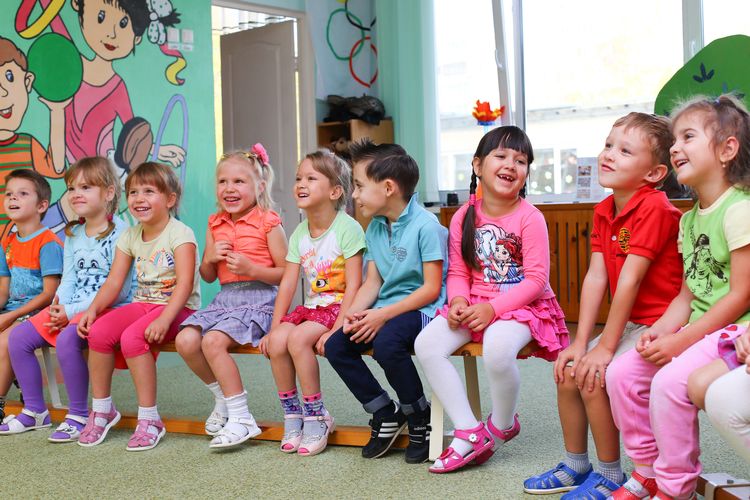
Child growth and learning begin at home technically, but it properly starts when a child goes to a preschool or Kindergarten. Preschool is an early childhood program that admits children between the age of 3 and 5. It combines learning with playing run by professionals and adults. Preschools in Indianapolis differ from traditional daycare programs in that their emphasis is on making sure the children learn and develop rather than enabling parents to pursue other activities.
Some open late night preschools in Indianapolis offer after school services for parents that have night shifts. Kindergarten translates to a garden for children and comprises a range of early childhood educational practices. Teaching preschool children include instructional designs to assist learning at a
convenient pace. But then, preschool teaching is not just about routinely performing the task. Also, teachers are subjective, and thought goes into working with every child and understanding how each child can grow. As a result, people have come up with various methods or schools of thought. Some methods of education at preschools include:
Playway Method:
A brilliant method for teaching toddlers is making learning fun and engaging. Children get excited during playful activities as it helps them learn faster and easier. Studies have also shown that playing with children sparks creative thinking that increases their intelligence. Play allows children to use their creativity while using their imagination. The institutions rely on the heaving of activities such as role-plays, virtual games, singing, and free play to teach children. This method of learning brings exposure to the child in a friendly environment with no pressure at all. The play-way method is accepted by educational institutions dealing with young children between the age of 3 and 5. It fits well with the commitment and aim of not burdening the kids with tasks they are not yet capable of performing.
Reggio Emilia Method
This method originated and grew in Italy. It believes in teaching children through engaging activities. This method aims at enabling the child to make their place in society. So it encourages communication, promotes relationships with people, and allows the child to wonder about the environment. The classroom acts as a system that consists of material learning. The children are also encouraged to communicate through art, dance, music, and more. This method also carries the parents along. The teachers allow parents to design the curriculum and monitor the growth of their children.
Montessori Method:
This method was named after Dr. Maria Montessori. She was the first woman physician, and she developed the method in the early 1900s by the Italian. Her school of thought deals with the development of a child personality, using sensory learning that includes touching, smelling, seeing, and tasting rather than reading and learning. This method proves that stimulation of a child’s senses aids learning. Her classroom design includes self-correcting materials, the use of which is demonstrated by teachers and reenacted by children. Every material in a Montessori classroom supports an aspect of the development, creating a suitable match between the natural interests and the available activities. The children also learn by responding to the natural curiosities that exist in them and building a foundation for lifelong learning.